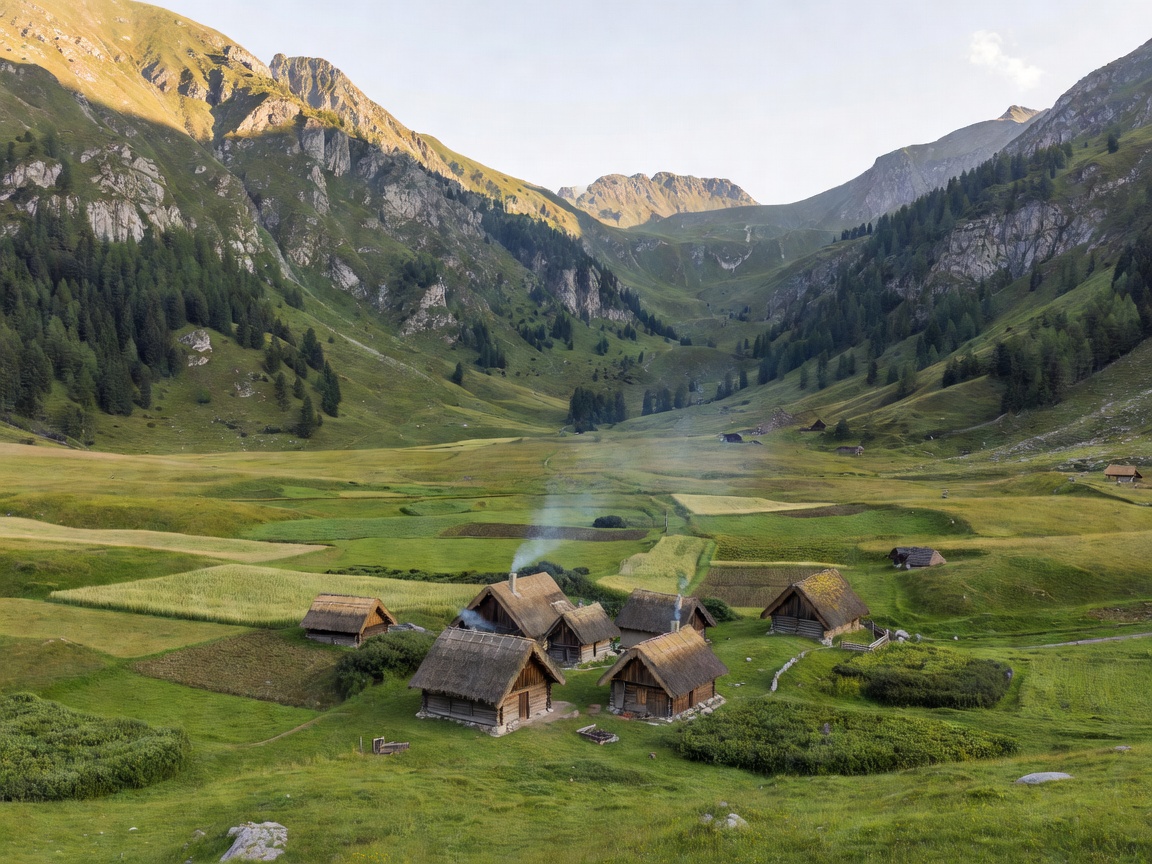
Valleys, towns and high settlements
Swiss Alpine geography is varied. A valley base can link rail, road and local services, while a higher settlement may place guests closer to mountain terrain. The trade-off is often flexibility versus proximity: town bases can offer more dining and shopping choices; elevated locations may involve extra transfers and greater exposure to weather.
The Valais includes broad mountain valleys and side valleys with distinct access patterns. The Bernese Oberland combines lake-and-mountain settings with settled valleys and higher villages. Graubünden has a wide range of valley towns, resort areas and remote side valleys. These are large regions, not single destinations. Compare the exact municipality and property location rather than choosing on a regional label alone.
Lake-and-mountain areas
Places around Lake Geneva, Lake Thun, Lake Brienz and Lake Lucerne pair water-level settlements with nearby mountain excursions. A lakeside base can simplify dining and transport choices, while mountain activities may require onward travel. A view of peaks does not mean the hotel is at high altitude. Ask about elevation and the first connection to your intended route.
Lake settings can suit travelers combining walking, boat travel and mountain railways. Services and operating patterns vary by season. Check current information with transport operators and local providers rather than relying on an old timetable or a general destination description.
Remote areas and accessible resort towns
Remote alpine areas can offer quiet surroundings and access to a narrower set of routes. They can also have fewer shops, meal options and backup transport choices. Plan arrival in daylight where practical, establish how luggage reaches the property and ask what happens if a connection is disrupted.
Accessible resort towns generally have more established connections and visitor services. That can make them useful bases for mixed itineraries. They may feel busier, and an activity may still require a separate lift, bus, train or drive. For a stay centered on one mountain area, compare the time and effort of daily transfers against the convenience of town facilities.
Rail and road considerations
Rail is an important part of travel across Switzerland, but the route to a particular hotel may include changes or a separate local connection. Some mountain settlements are reached by rail or cable transport; others involve road travel. Confirm the exact route from your arrival point, ticket requirements, luggage rules and the final connection. Schedules change and should be checked close to travel.
Road access can be useful for luggage and flexibility, but alpine routes may have seasonal restrictions, weather exposure or local traffic rules. Some destinations are reached by a combination of private vehicle and public transport. Do not assume a road is open or suitable for your vehicle. Check official and operator information for the relevant date.
Location changes the stay
Altitude affects temperature and exertion. Scenery can mean a lake outlook, forest edge, glacier view or enclosed valley. Weather differs across aspects and elevation. Activities may begin near the property or require onward travel. Dining and shopping are usually easier to find in larger settlements. Privacy may increase as services become less concentrated, but remoteness brings planning responsibilities.
| Base type | Useful when | Check first |
|---|---|---|
| Valley town | You want transport choices and local services. | Daily onward travel to activities. |
| Mountain settlement | You value a high setting and nearby terrain. | Final connection, seasonal access and supplies. |
| Lake district | You want varied scenery and mixed excursions. | Distance from hotel to mountain transport. |
| Remote side valley | Quiet and a focused outdoor itinerary matter. | Meal options, luggage and backup access. |
Good for
Choose a valley town for a flexible itinerary with services. Consider a high settlement for closer access to a particular mountain setting. Choose a lake area for mixed water and mountain days. A remote valley suits travelers comfortable planning meals, connections and alternatives carefully.
What to know
“Alpine,” “resort” and “mountain view” do not specify elevation or access. Record the hotel’s address and elevation, then map the arrival route and local transport. Recheck service information, opening periods and road conditions for your travel date. Seasonal operations and weather can change the practical route.
See hotel types and trip planning for the next decisions. Contact the publisher with a site enquiry.