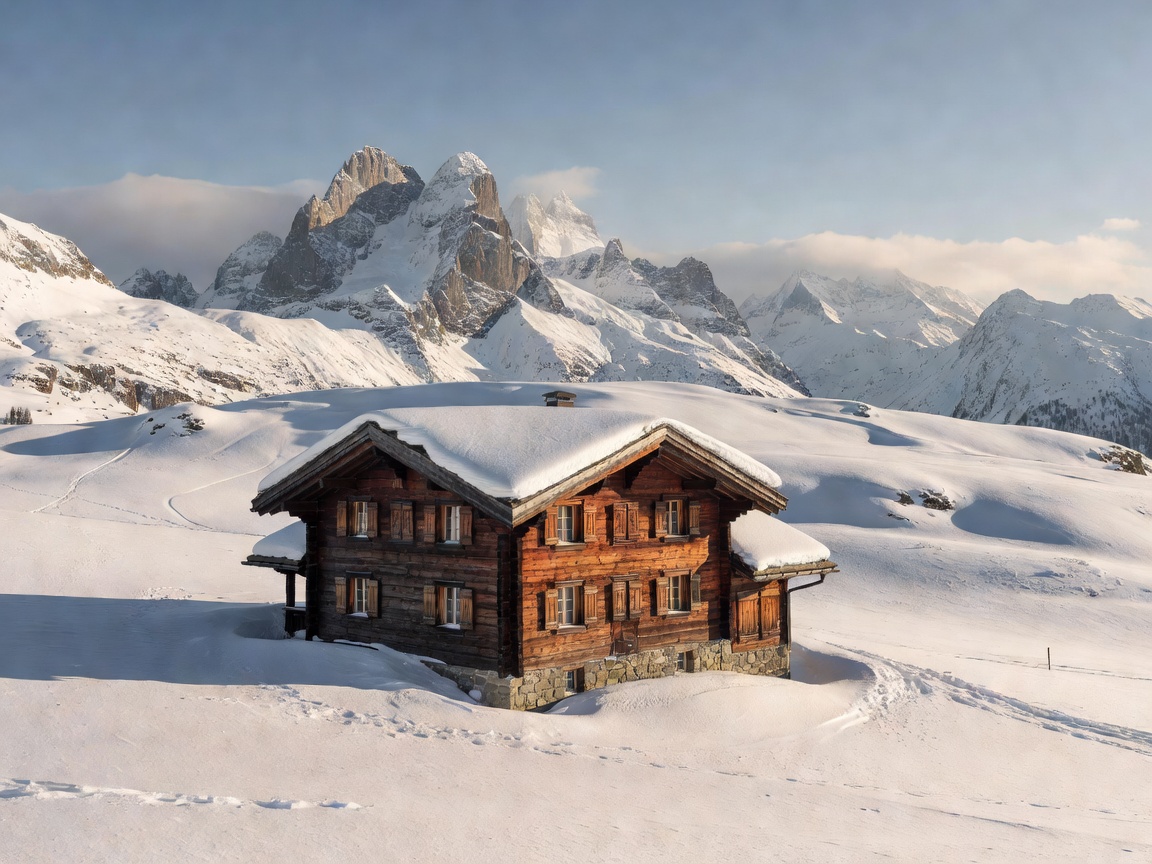
Six common stay types
Alpine hotels range from village properties to buildings above settled valleys. They can suit travelers who want a staffed reception, regular dining and a defined base. Confirm what is included rather than assuming every property offers the same services.
Mountain lodges may be smaller and more focused on outdoor access. Some are remote or seasonal. Ask how guests reach the property, whether meals must be arranged in advance and what happens if the final connection changes.
Ski-oriented hotels prioritize winter logistics. Useful features can include ski storage, boot-drying areas and access to lift connections. “Near the slopes” can mean different things; establish the actual route and equipment arrangements.
Wellness hotels center indoor recovery, with facilities that may include a sauna, pool or treatment rooms. Opening hours, age limits, booking rules and seasonal availability vary. Confirm them directly if they shape your trip.
Historic mountain hotels can offer a strong sense of place and established layouts. Older buildings may have compact rooms, varied floor plans or different access arrangements. Ask about lifts, step-free routes and room facilities.
Contemporary alpine properties often combine modern materials with mountain views and efficient shared spaces. Check practical room details such as storage, ventilation, heating controls and charging access.
Family, remote and valley options
Family-oriented stays are easiest to assess through specifics: room configuration, meal timing, storage for outdoor gear and the distance to activities. Do not infer child facilities from a family label. Remote properties can provide quiet and direct outdoor access, but may have fewer shops, meal choices and transport alternatives. Confirm arrival arrangements and the plan for late arrivals.
A valley hotel can be a useful base for rail connections, shops and varied day trips. A higher property may bring closer access to a particular activity or a more exposed setting. Neither is automatically better. Consider the number of transfers, the amount of luggage and whether you want to return to town services each evening.
High-altitude stay vs valley stay
| Factor | Higher property | Valley property |
|---|---|---|
| Access | May require an additional rail, road or cable connection. | Often closer to main transport and town services. |
| Activity access | Can reduce the distance to selected mountain routes or winter facilities. | May require daily onward travel to higher terrain. |
| Conditions | More exposed to wind, snow and rapid weather changes. | Still subject to alpine weather, with different local exposure. |
| Convenience | Fewer alternatives may be available nearby. | Potentially more shops, dining and transport choices. |
Rooms, dining and facilities
Check room size, bed layout, bathroom details, heating, blackout options and whether a balcony is usable in your season. For activity trips, drying space and secure equipment storage can matter more than decorative features. Ask if storage is shared, locked or located away from guest rooms.
Dining can be part of the hotel or a separate daily decision. In remote locations, meal service may be limited to set times or require advance notice. Ask about dietary needs, children's meals, restaurant opening days and alternatives nearby. A spa adds value only if its actual facilities, access rules and hours fit your schedule.
Good for
High-altitude properties: guests prioritizing a specific mountain setting, quieter evenings or direct access to planned outdoor activities. Valley hotels: travelers who value transport choices, local services and flexibility across several areas. Specialist stays: skiers, families or wellness-focused guests who have confirmed the facilities they need.
What to know
Altitude, weather and transport affect comfort and plans. A room with a view does not guarantee easy access. Confirm the property's precise location, the last leg of the route, luggage handling, seasonal opening, meal arrangements and relevant room features before booking. Conditions and services can change by date and region.
For regional context, read Swiss Alpine hotel locations and winter stay planning. For a tailored site enquiry, contact the guide publisher.