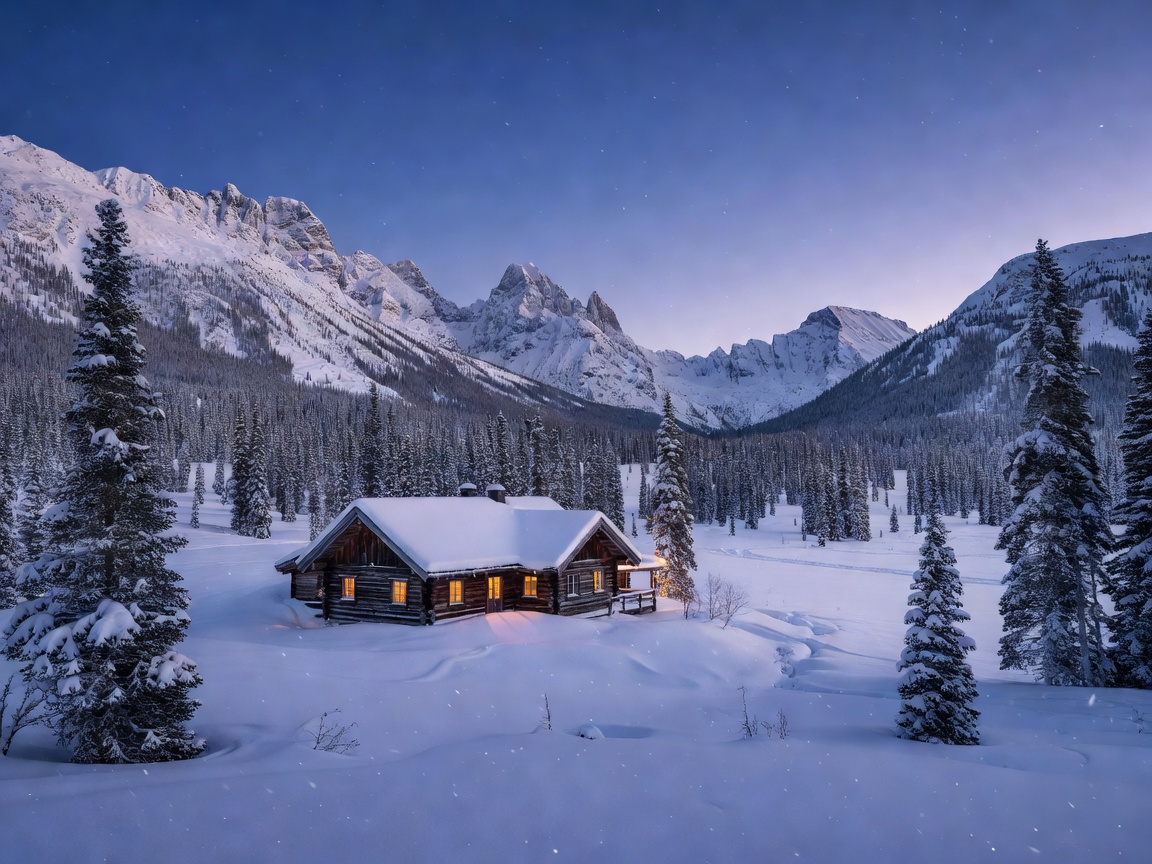
Ski-focused hotel vs general winter alpine hotel
A ski-focused property is organized around equipment and access. It may provide a ski room, boot dryers, lift information or a convenient route to a ski area. Confirm the exact features and distance. A claim of proximity does not establish whether guests walk, take a shuttle or use another connection.
A general winter alpine hotel may suit guests who plan winter walks, scenic outings or time indoors as well as skiing. It may have fewer dedicated ski facilities, but could offer dining, lounge space or wellness facilities that work across different weather. Neither type guarantees particular snow conditions or open mountain services.
Ski storage and boot rooms
Ask whether skis can be stored securely and whether boots can dry overnight. Clarify if storage is in the hotel, at a separate facility or near a lift. Find out whether guests can access equipment outside staff hours. This matters when arrival is late or departure is early. Keep essential items accessible if baggage and ski gear travel separately.
Boot rooms should be practical: check drying arrangements, seating and the route between storage and the guest room. Do not assume that a “ski hotel” includes equipment rental, lift access or lessons. Verify those arrangements with the relevant provider.
Winter access and changing conditions
Mountain access may depend on rail, road, cable transport or a local shuttle. Snow and weather can affect routes and operations. Check current notices from the transport operator and local authorities before each travel leg. Do not rely on old timetable screenshots or a route description written for another season.
If driving, establish where winter equipment is required, whether parking is at the property and whether the final approach is suitable for your vehicle. Some destinations involve leaving a car outside the settlement and continuing by public transport. Ask the accommodation how luggage is handled. Allow a buffer between connections and avoid planning around the final possible service.
Warm spaces and wellness
Heating, drying space and a place to sit indoors help make a winter base usable when outdoor plans change. Ask about room heating controls, wet clothing storage and whether common areas remain open through the day. Sauna and spa facilities can be useful for a slower afternoon, but access hours, capacity, age rules and advance reservations differ. Confirm the current policy with the property.
Dining also affects the day. Establish breakfast hours, evening service, meal booking requirements and any nearby alternatives. In a small or remote settlement, spontaneous choices may be limited. Pack snacks for the journey, especially when arrival time depends on connecting transport.
Daylight, packing and flexible plans
Winter daylight is shorter than in summer, and mountain terrain can shade routes earlier. Keep plans proportionate to daylight and conditions. This guide is not a route or safety briefing; consult local sources and qualified professionals for activity decisions. Maintain an indoor alternative and check the forecast from appropriate sources close to the date.
Pack layered clothing, waterproof outerwear, warm gloves, a hat and footwear suited to your planned activity. Bring any personal equipment you rely on, plus chargers and medication. Keep travel documents, a small first-aid kit and essential items in carry-on luggage. Ask the hotel whether bulky gear can be stored before arrival or after checkout.
Advantages and limitations
A dedicated ski property can reduce daily equipment friction and place winter needs first. Its location may be less convenient for non-ski activities or local services. A general alpine hotel can offer a broader, more varied stay, but may require more transport and equipment planning. Compare what is actually provided rather than the name used in marketing.
Good for
Ski-focused stays: travelers skiing on most days who have confirmed storage, drying and access. General winter stays: mixed itineraries, winter walking, scenic travel or indoor recovery. Valley bases: travelers prioritizing connections and services, with onward travel planned for mountain days.
What to know
Snow is not guaranteed. Mountain transport, roads and facilities can change with conditions and season. Verify opening periods, access notices, meal service and equipment storage with the responsible operator. Carry a flexible plan and do not treat a hotel’s general location as confirmation that an activity is operating.
Read the location guide and the trip checklist. For an editorial enquiry, contact the publisher.