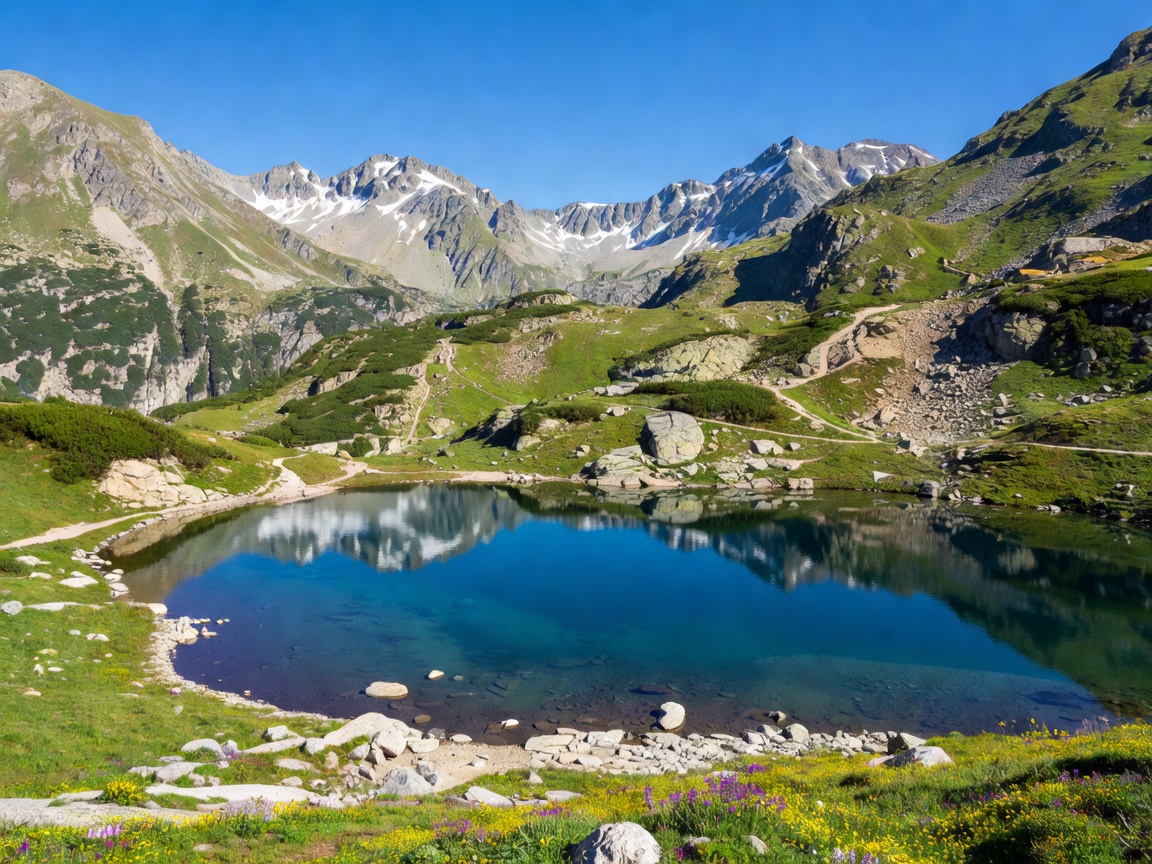
Active summer stay vs slow alpine stay
An active stay places daily routes and transport first. Guests may leave early, carry day equipment and need dependable access to a starting point. A slower stay gives more room for scenic travel, reading, spa time and unhurried meals. Both benefit from a hotel that makes the practical details clear.
For an active base, compare trail access, cycling storage, breakfast times, packed-meal options and drying space. For a slower base, compare indoor facilities, outdoor seating, dining choice and how easy it is to make short excursions without a full-day commitment. The labels are not fixed categories; choose by the rhythm you want.
Walking and hiking
Alpine walking routes vary in length, surface, elevation change and exposure. A route shown on a map is not a guarantee of current condition or suitability. Consult current local route information, weather sources and appropriate expertise before setting out. Match the route to your experience and equipment, and keep a shorter alternative available.
Ask where the nearest suitable route begins and whether a lift or bus is required. Confirm whether the property can store muddy boots and dry wet clothing. A hotel near a mountain does not necessarily sit beside a trailhead. Check elevation as well as distance; steep terrain can make a short route demanding.
Cycling, lakes and scenic transport
Some regions support road cycling, gravel riding or mountain biking, but surfaces and access differ. Ask about secure bicycle storage, repair options and local transport rules for bikes. Do not assume a lift accepts bicycles or operates on the day you plan to use it. Verify with the relevant operator.
Alpine lakes offer options for lakeside walks, viewpoints and, where locally available, water-based activities. Check access, seasonal services and any local rules. Scenic railways and cable routes can connect valley settlements to higher viewpoints, but operating dates, capacity and weather disruptions vary. Use current operator information.
Weather, equipment and recovery
Summer conditions can shift quickly with elevation and exposure. Carry layers, rain protection, sun protection, water and suitable footwear for the activity. Check local forecasts and route notes on the day. Avoid building an itinerary that depends on a single exposed activity or one transport connection.
After a long day, hotel features can influence recovery and comfort. Look for secure gear storage, laundry or drying arrangements, flexible meal times and a place to rest. Wellness facilities may help structure a quiet afternoon, but opening hours, booking rules and age restrictions vary. Confirm details directly, and do not assume a spa is included in the room rate.
Seasonal openings and transport
Summer is not one operating period across the Alps. Hotels, lifts, mountain restaurants and local services can open and close on different dates. A shoulder-season visit may bring a quieter atmosphere but fewer services. Confirm the specific facilities and connections you plan to use, including the final return option each day.
Rail and road routes can make a multi-area itinerary possible, but connections take planning. Check the journey with operators close to travel, allow time for changes and consider the luggage you will carry between bases. If driving, review parking arrangements and local restrictions.
Advantages and trade-offs
An active base can cut the distance to chosen outdoor routes, but may have fewer shops or alternative activities. A town or lakeside base can provide more dining, transport and indoor options, but may add a transfer before a mountain day. A remote property may feel quieter while requiring more advance planning for meals and supplies.
Good for
Active stays: travelers with a planned activity focus, appropriate equipment and current route information. Slow alpine stays: visitors who prefer scenic transport, indoor facilities, lake settings and flexible days. Mixed trips: guests who select a base with both practical connections and a credible weather alternative.
What to know
Do not rely on historic opening dates, old trail reports or a generic regional forecast. Confirm local services and conditions close to the visit. Ask the hotel about gear storage, breakfast, dining, laundry and outdoor access. Keep the itinerary adjustable when weather or transport changes.
Use the location guide to compare bases and trip planning to prepare. For a site enquiry, contact the publisher.